PCOS Chin Hair: Why It Happens and What Helped Me Manage It
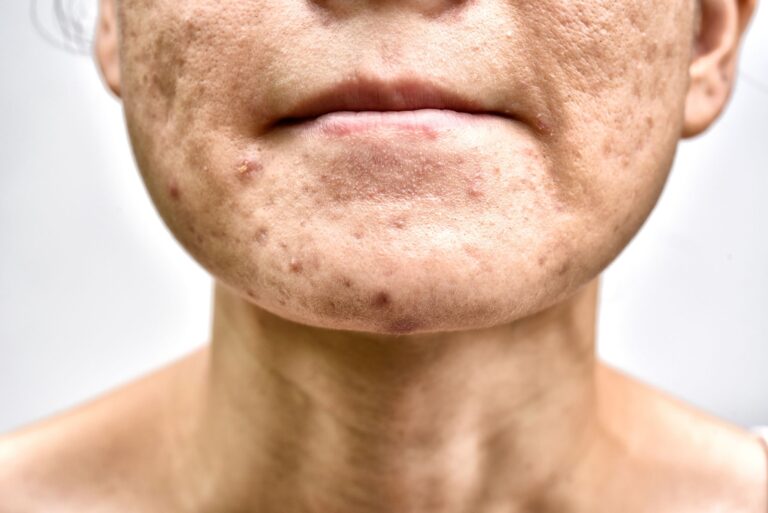
For a long time, I felt embarrassed even noticing it — a few coarse hairs on my chin that kept coming back no matter what I did. If you’re dealing with PCOS, you’re not alone. Chin hair is a very common PCOS symptom, and just like PCOS acne, it’s rooted in hormones, not hygiene or anything you’re doing wrong.
Once I understood why it was happening, I stopped fighting my body and focused on gentle, realistic ways to manage it.
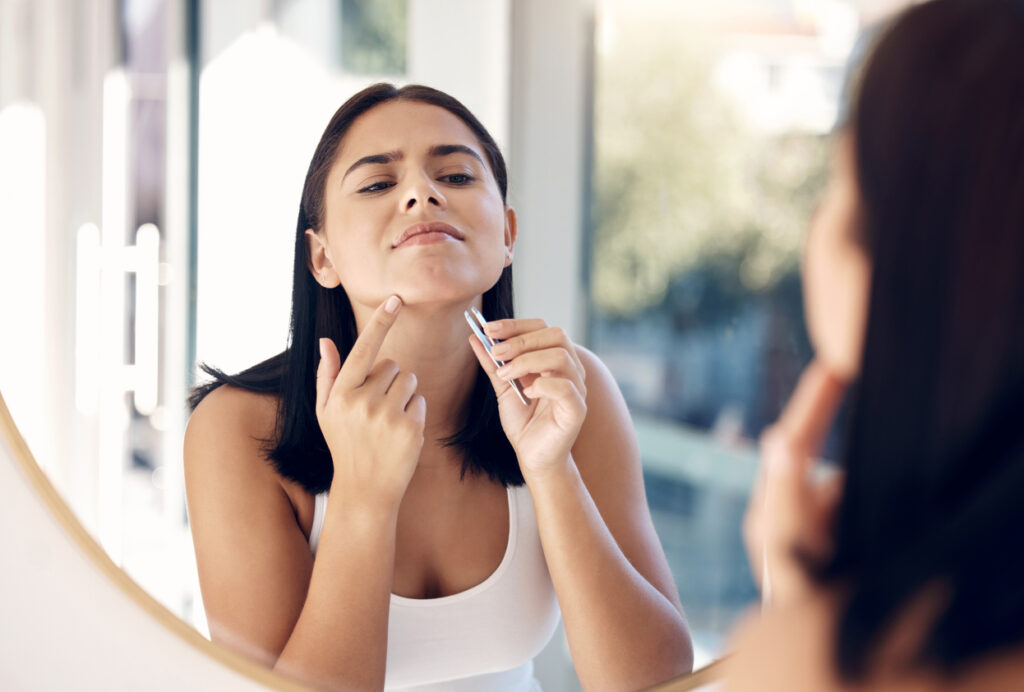
Why PCOS Causes Chin Hair
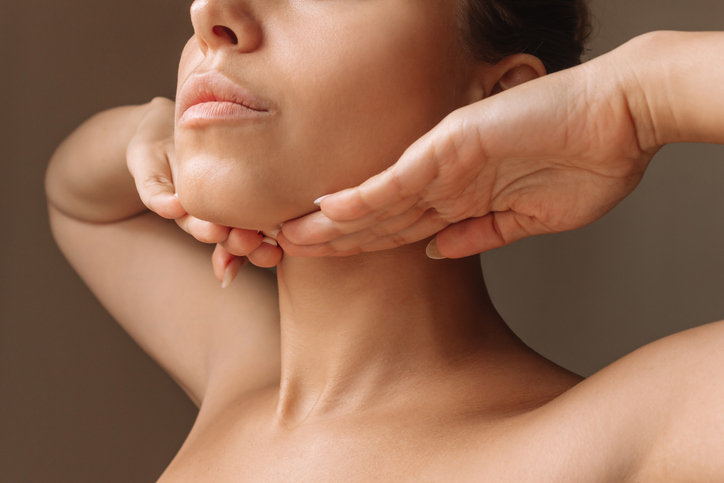
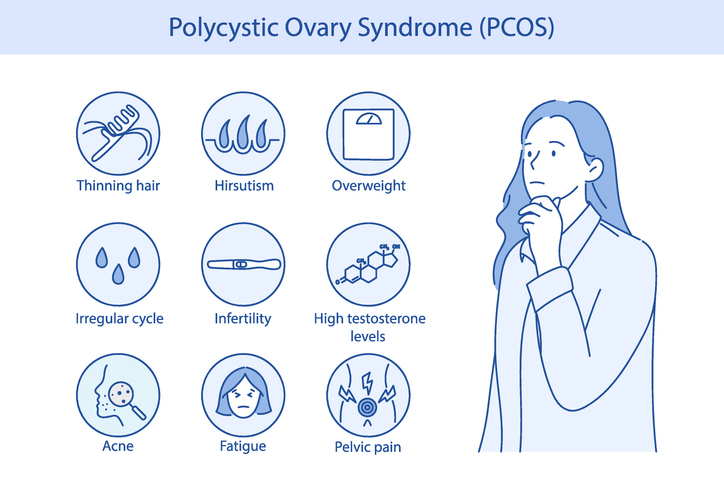
PCOS affects hormones, especially androgens (often called “male hormones,” though everyone has them). When androgen levels are higher — or when the body is more sensitive to them — they can stimulate hair follicles in areas like the chin, jawline, upper lip, and neck.
This type of hair growth is called hirsutism, and it’s one of the most common PCOS symptoms.
That’s why chin hair with PCOS often:
- Grows back quickly
- Feels thicker or darker
- Appears in the same spots
What Didn’t Help Me (and Often Made Things Worse)
At first, I focused only on removing the hair itself:
- Constant plucking (hello irritation and ingrowns)
- Harsh hair removal creams
- Over-exfoliating the chin area
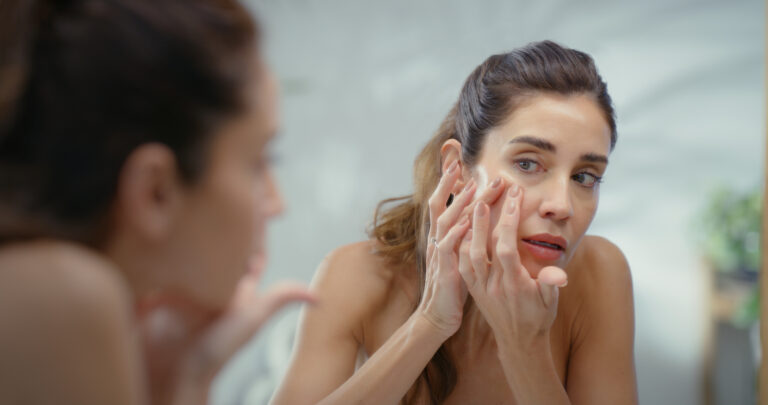
None of that addressed why the hair was growing — and my skin paid the price.
Spearmint Tea and PCOS Chin Hair (What I Learned)
This is something I approached slowly and carefull
Some research suggests that spearmint tea may help support lower androgen levels in women with PCOS. For me, it felt like a gentle, supportive habit, not a quick fix.
I didn’t expect overnight changes — but over time, pairing spearmint tea with other lifestyle changes helped me feel more balanced.
How I Used Spearmint Tea
- 1–2 cups per day
- Consistently, not occasionally
- As part of a bigger routine (not on its own)
Spearmint Tea I Use: I have repurchased it many times
Tools That Helped Me Manage PCOS Chin Hair (Linked for Convenience)
Instead of trying to “fix” the problem, I focused on gentler tools that didn’t irritate my skin or increase stress.
Gentle Hair Removal Tools I Prefer
- Flawless Facial Hair Remover
This helped me maintain chin hair without redness or ingrowns. I like it because it’s quick and doesn’t pull at the skin. - Tweezerman Slant Tweezer
When I do remove individual hairs, using a high-quality tweezer made a big difference in irritation. - Schick Facial Razor / Dermaplaning Tool
Some people prefer dermaplaning for chin hair. When used gently, it can be a low-stress option.
I avoid methods that leave my skin inflamed—calm skin matters just as much as hair removal.
Skincare That Helped Reduce Irritation After Hair Removal
Keeping the skin barrier healthy made chin hair much easier to manage.
- CeraVe Moisturizing Cream
I use this to keep the area hydrated and reduce redness. - La Roche-Posay Cicaplast Baume B5
This helped calm my skin after hair removal and reduced irritation.
What to Expect (Realistic Timeline)
Managing PCOS chin hair is gradual:
- Skin irritation improves first
- Regrowth feels slower over time
- Stress around it decreases
- Hair becomes easier to manage
This wasn’t about perfection — it was about progress and peace of mind.
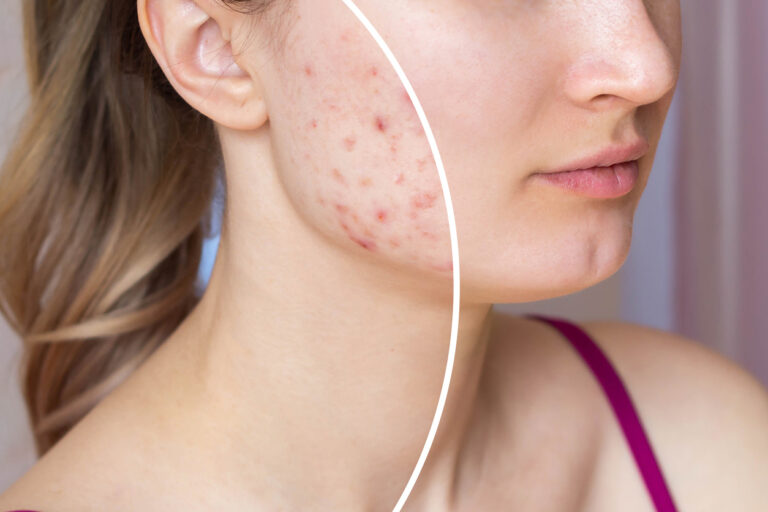
PCOS chin hair often shows up alongside hormonal acne, which I talk more about in this post.
Final Thoughts
PCOS chin hair can feel isolating, but it’s incredibly common — and it doesn’t define you.
What helped me most was:
- Understanding the hormonal connection
- Choosing gentle tools
- Supporting my skin barrier
- Adding simple, supportive habits like spearmint tea
You don’t need to do everything at once. Even one small change can make this feel more manageable.
Affiliate Disclosure
Some links in this post may be affiliate links, which means I may earn a small commission at no extra cost to you. I only share tools and products I personally use or genuinely feel comfortable recommending.