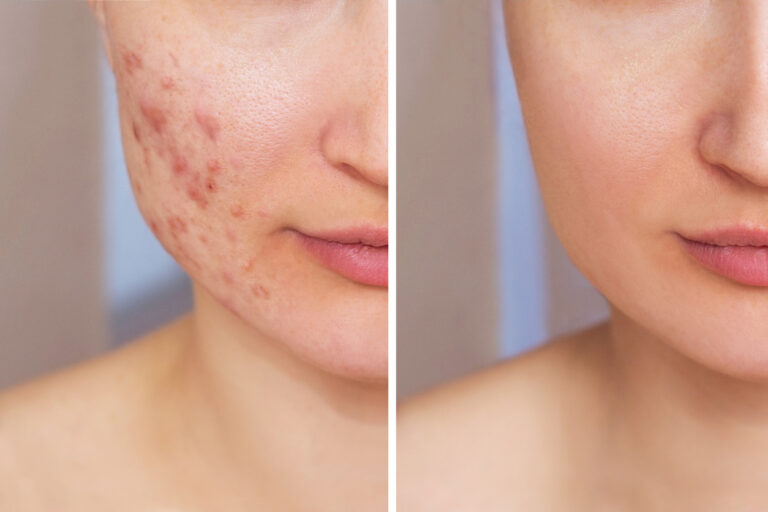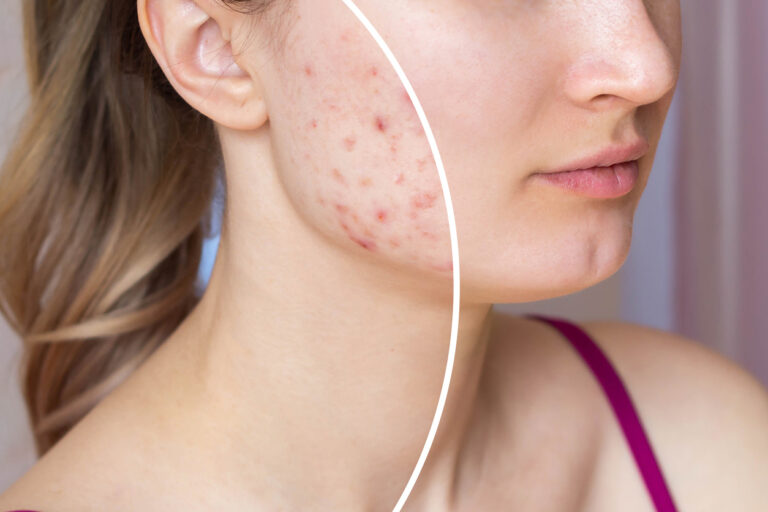
How I Finally Cleared Hormonal Acne With PCOS (My Simple Routine)
This PCOS hormonal acne routine focuses on gentle skincare, barrier repair, and hormone support.
If you’ve tried everything for acne—salicylic acid, benzoyl peroxide, harsh cleansers—and nothing seems to work, you’re not alone.
For years, my breakouts showed up on my chin and jawline, especially before my period. I later learned this wasn’t “regular acne” at all but hormonal acne connected to PCOS.
Once I stopped treating my skin aggressively, everything changed.
I began supporting my hormones and skin barrier instead.
This post may contain affiliate links. If you purchase through these links, I may earn a small commission at no extra cost to you.
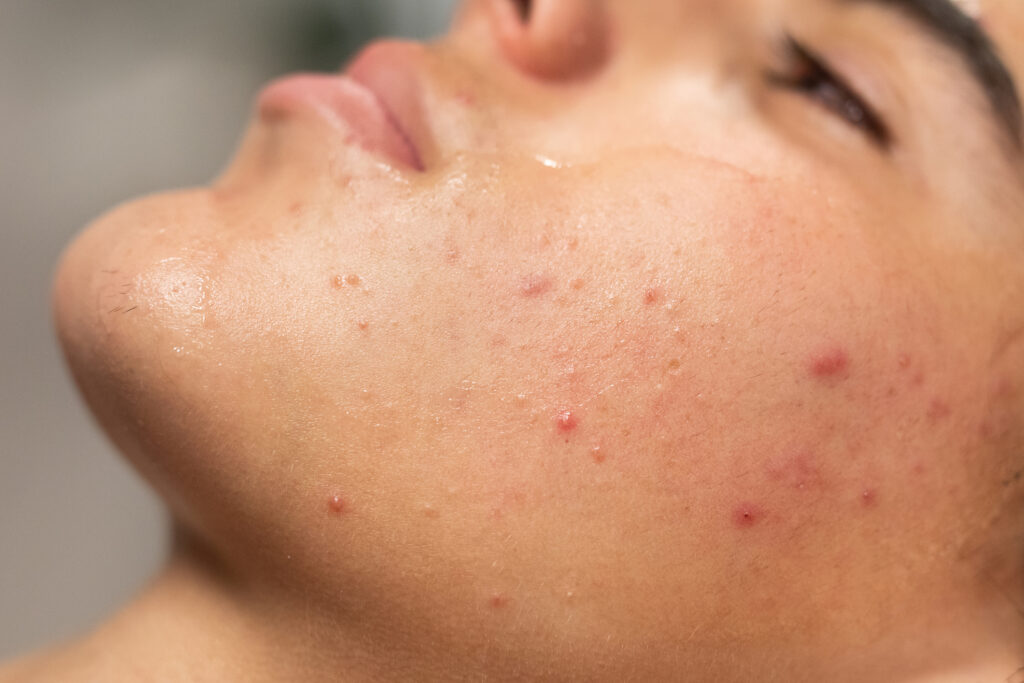
Why PCOS Acne Is Different (And Why Typical Acne Advice Fails)
Most acne advice assumes your skin is oily, dirty, or full of bacteria.
But PCOS acne is hormone-driven, usually caused by elevated androgens (like testosterone), insulin resistance, and chronic inflammation.
That’s why harsh acne treatments often make PCOS acne worse instead of better. The goal isn’t to dry out your skin—it’s to calm inflammation and protect your skin barrier.
Morning Routine (Keep It Simple)
1. Gentle, non-foaming cleanser
I avoid anything labeled “deep clean” or “oil control.” Those stripped my skin and made breakouts worse.
2. Low-percentage niacinamide serum (2–5%)
This helps regulate oil and calm redness without irritating hormonal skin.
3. Barrier-repair moisturizer
Even oily PCOS skin needs hydration. Look for ceramides, glycerin, or squalane.
4. Mineral sunscreen (zinc-based)
Sun exposure increases inflammation and post-acne marks, so this step is non-negotiable.
Night Routine (Where Healing Happens)
1. Gentle cleanse (same cleanser as morning)
I don’t double cleanse unless I’m wearing heavy makeup. Over-cleansing was one of my biggest mistakes.
2. Azelaic acid (PCOS skin hero)
This was a game changer for my hormonal acne. It helps reduce inflammation, redness, and clogged pores without damaging the skin barrier.
3. Simple moisturizer
At night, boring is better. I avoid mixing multiple actives and let my skin recover.
4. Optional: 2–3 drops of squalane oil
This helps lock in moisture and prevents overnight dehydration without clogging pores.
✨ Products that helped calm my PCOS acne:
– Gentle non-foaming cleanser
– Azelaic acid treatment
– Barrier-repair moisturizer
– Mineral sunscreen
Supporting Hormones From Within
What Helped Me Most
Skincare alone didn’t fully clear my hormonal acne. Once I started supporting my hormones from within, my breakouts became less inflamed and far more manageable.
PCOS acne is strongly linked to insulin resistance and elevated androgens, so calming these internally made a noticeable difference for my skin.
Spearmint tea (daily)
Spearmint has been shown to help lower androgen levels, which can reduce jawline and chin acne over time. I used this one exactly.
Inositol (40:1 blend)
Inositol helps support insulin sensitivity and hormone balance, which can indirectly improve hormonal acne and cycle regularity. This was especially helpful for reducing monthly flare-ups. I’ve linked the exact brands I use below for easy reference that were recommended by my Firtility Clinic. Link Here
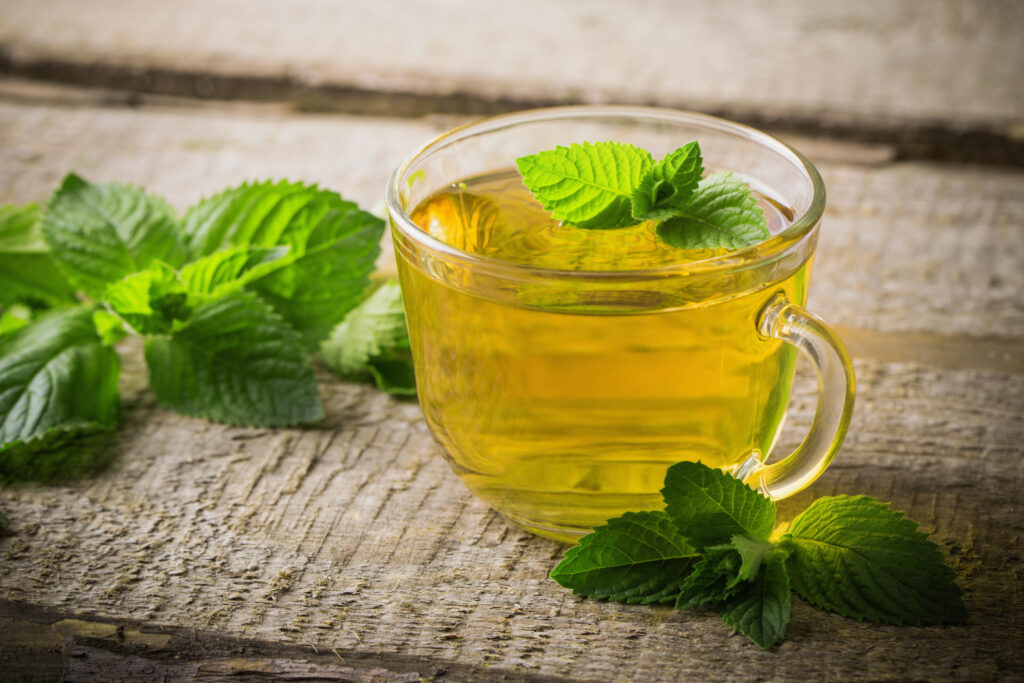
Spearmint tea is commonly used to support hormone balance in PCOS.
Final Thoughts on My PCOS Hormonal Acne Routin
If you’re dealing with PCOS-related acne, please know this isn’t your fault—and you’re not failing at skincare.
Hormonal acne requires patience, consistency, and a gentler approach. Once I stopped attacking my skin and started supporting it, both externally and internally, everything changed.
If you’re looking for a simple, PCOS-friendly routine, the products and steps above are what truly helped me.
Read more: How I Finally Cleared Hormonal Acne With PCOS (My Simple Routine)