Best Skincare Ingredients for Hormonal Acne (PCOS-Friendly,Science-backed Guide)
Hormonal acne and PCOS-related breakouts require a different approach than traditional acne treatments. This science-backed guide explains which skincare ingredients actually help hormonal acne — and which ones can make it worse.
Hormonal acne, especially with PCOS, behaves differently than typical acne. Instead of reacting to surface-level treatments, it’s influenced by hormones, inflammation, and ingredient sensitivity. In this guide, we break down science-backed skincare ingredients that actually help hormonal acne — and which ones to avoid.
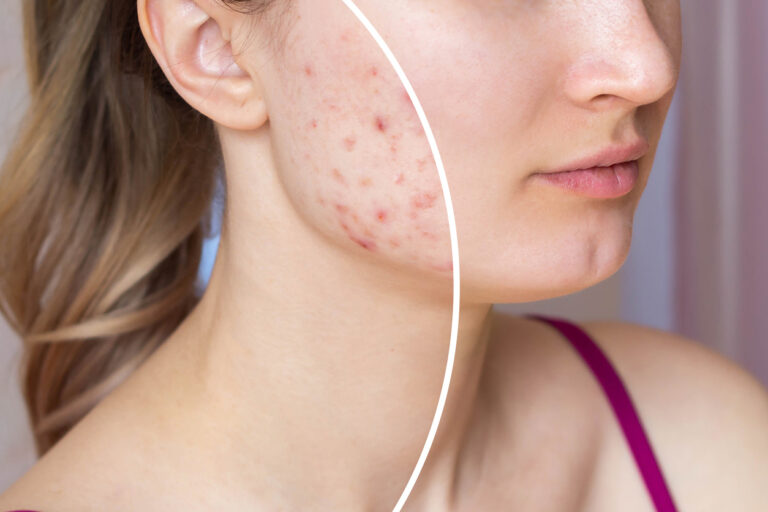
How Hormonal Acne Is Different
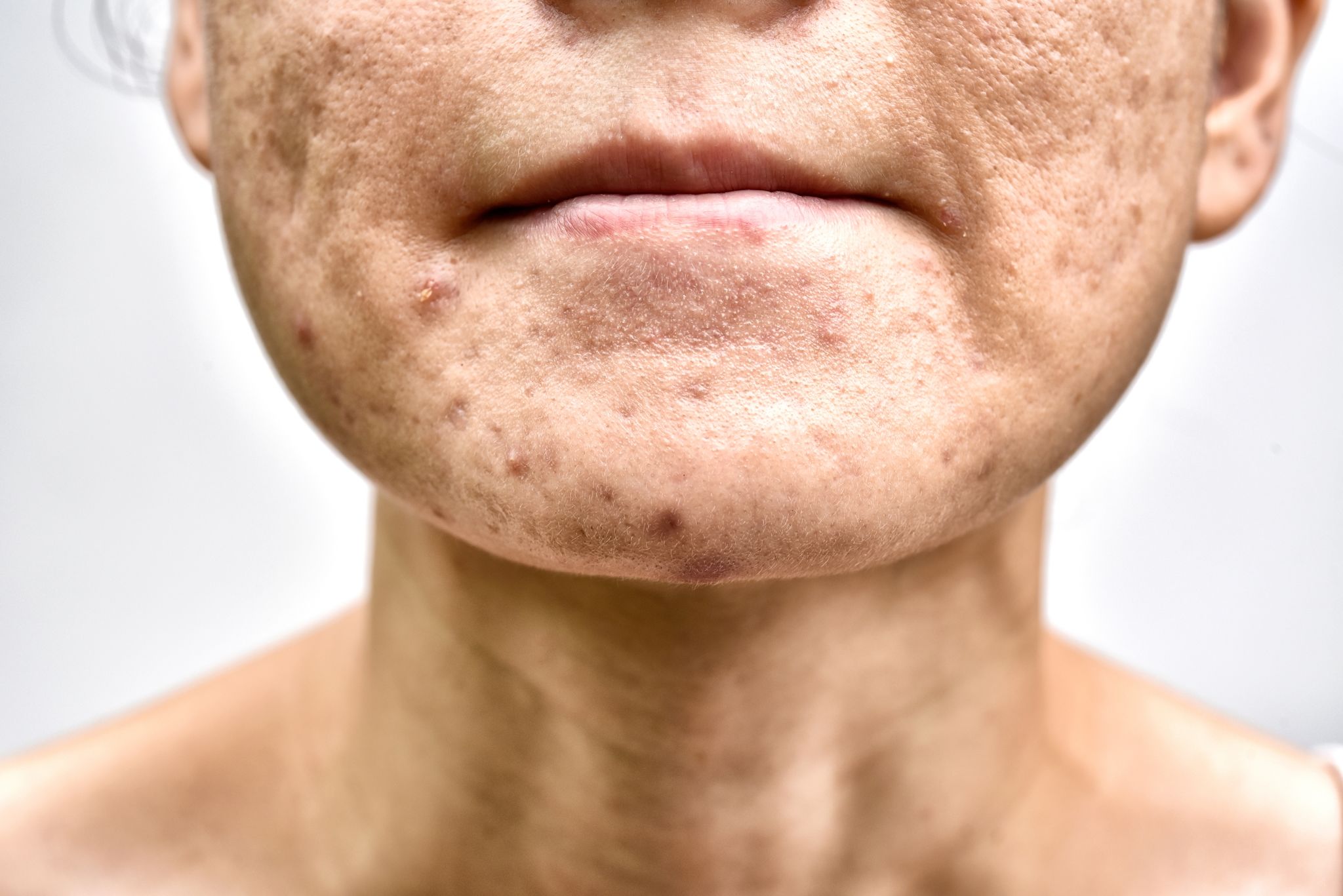
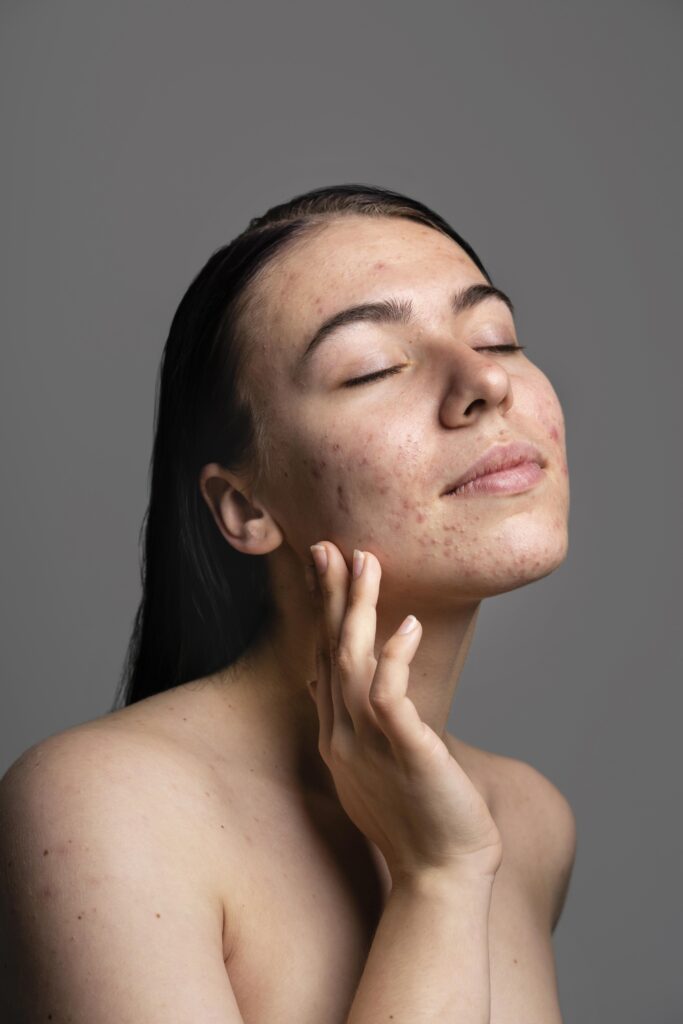
Hormonal acne is often:
- Concentrated on the jawline, chin, and lower cheeks
- Cystic, deep, and painful
- Resistant to traditional acne treatments
PCOS-related acne is driven by androgen excess, insulin resistance, and inflammation, which means ingredient choice matters more than product hype.
If you’re unsure how to combine these ingredients, see our PCOS-friendly skincare routine.
Niacinamide (Vitamin B3)
Niacinamide is one of the most well-researched ingredients for hormonal and PCOS-related acne.
Benefits:
- Regulates excess oil
- Reduces redness and inflammation
- Strengthens the skin barrier
- Improves post-acne marks
Recommended product:
👉 The Ordinary Niacinamide 10% + Zinc 1%
Why it’s PCOS-friendly:
- Lightweight, oil-free formula
- Zinc helps reduce breakouts
- Safe for long-term use
💡 If your skin is sensitive, start once daily or every other day.
2️⃣ Azelaic Acid
Azelaic acid is especially effective for adult hormonal acne and is often better tolerated than retinoids.
Benefits:
- Reduces acne-causing bacteria
- Calms inflammation
- Helps fade dark marks and redness
- Safe for sensitive and PCOS-prone skin
Recommended product:
👉 The Ordinary Azelaic Acid Suspension 10%
Why it works:
- Non-irritating compared to stronger actives
- Targets both acne and discoloration
- Can be used long-term
📝 Best used at night, 2–3 times per week.
3️⃣ Ceramides (Barrier Repair Essential)
Many people with hormonal acne have a damaged skin barrier, which worsens inflammation and breakouts.
Benefits:
- Repair and protect the skin barrier
- Reduce sensitivity and redness
- Improve moisture retention
Recommended product:
👉 CeraVe PM Facial Moisturizing Lotion
Why it’s ideal:
- Contains ceramides + niacinamide
- Oil-free and non-comedogenic
- Suitable for acne-prone and sensitive skin
4️⃣ Salicylic Acid (Low Strength Only)
Salicylic acid can help unclog pores, but overuse can worsen hormonal acne.
Benefits:
- Clears pores
- Reduces blackheads
- Controls surface oil
Recommended product:
👉 Paula’s Choice Skin Perfecting 2% BHA Liquid Exfoliant
Why this one:
- Well-formulated and gentle
- Alcohol-free
- Effective without excessive irritation
⚠️ Use no more than 2–3 times per week.
5️⃣ Zinc
Zinc plays a role in hormonal balance and inflammation control, making it especially useful for PCOS acne.
Benefits:
- Reduces oil production
- Calms inflamed breakouts
- Supports skin healing
Recommended product:
👉 La Roche-Posay Effaclar Duo (+)
Why it helps:
- Contains zinc PCA
- Targets breakouts without stripping
- Suitable for adult acne
🚫 Ingredients to Avoid With Hormonal Acne
These commonly worsen PCOS-related breakouts:
- High-strength benzoyl peroxide daily
- Alcohol-heavy toners
- Physical scrubs
- Over-exfoliating acids
Hormonal acne improves with gentle consistency, not aggression.
Final Takeaway
The most effective skincare for hormonal acne focuses on:
✔ Reducing inflammation
✔ Supporting the skin barrier
✔ Regulating oil without stripping
Results typically improve within 4–8 weeks with consistent use.
📌 Affiliate Disclosure
This post contains affiliate links. As an Amazon Associate, I earn from qualifying purchases.