
Hormonal Acne & PCOS Skincare Routine: The Best AM + PM Guide for Clear Skin
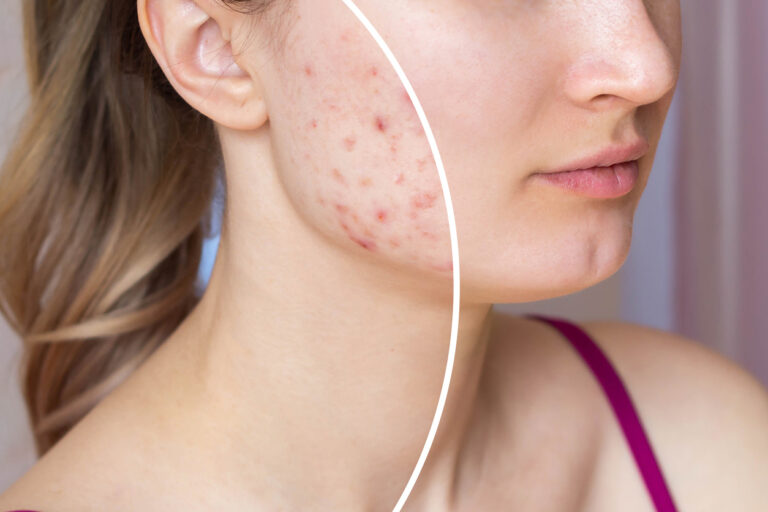
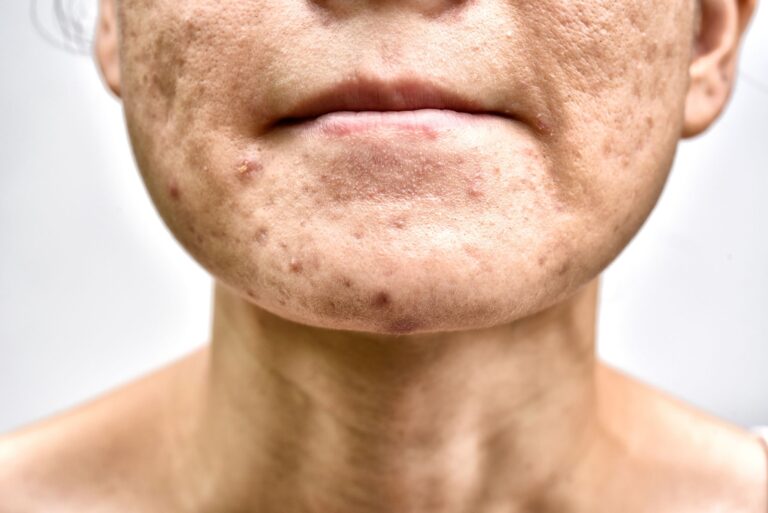
Hormonal acne can feel especially frustrating—especially when it’s linked to PCOS. Unlike typical acne, PCOS-related breakouts tend to be deep, stubborn, and recurring, often appearing along the chin, jawline, and lower face month after month.
If you’ve tried countless products with little success, you’re not alone. Hormonal acne isn’t just a skincare issue—it’s a hormone imbalance issue, which means your routine needs to support both skin barrier health and inflammation control.
In this guide, I’m sharing the best skincare routine for hormonal acne and PCOS, broken down into a simple AM + PM routine. This routine focuses on calming irritation, balancing oil production, and supporting acne-prone skin—without over-stripping or triggering more breakouts.
Whether you’re newly diagnosed with PCOS or have struggled with hormonal acne for years, this routine is designed to help you work with your skin, not against it.
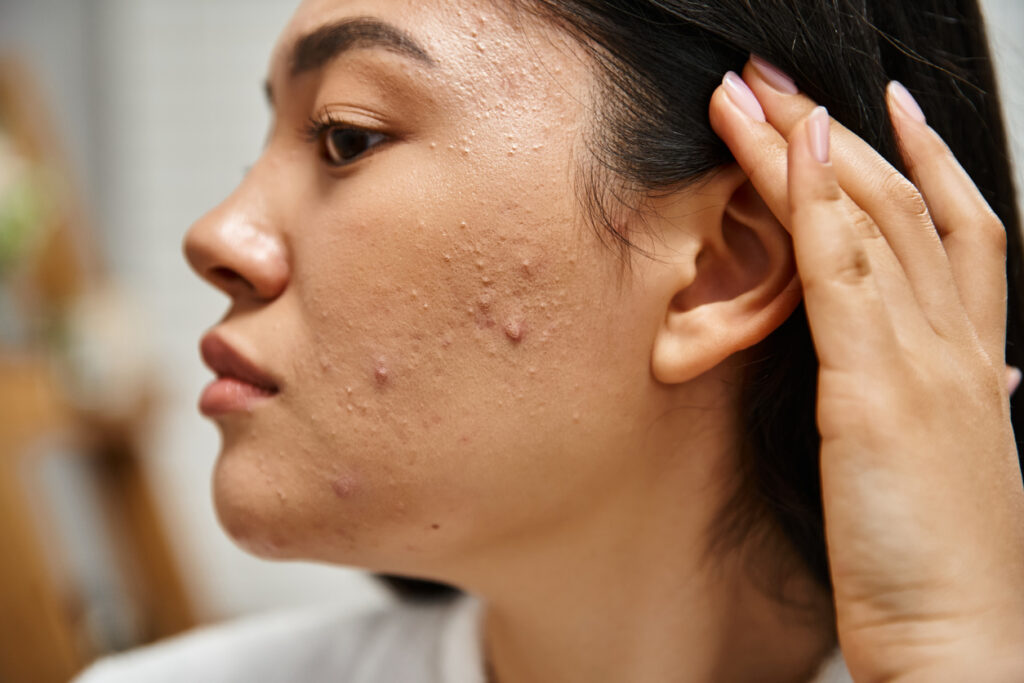
If you’re unsure why PCOS acne behaves differently, read my guide on why PCOS acne is different from regular acne
Morning Skincare Routine for PCOS Hormonal Acne
Your morning routine should prepare your skin for the day without stressing it.
Step 1: Gentle Cleanser
Start with a mild, non-stripping cleanser.
The goal is to remove overnight oil and sweat without leaving your skin feeling tight or dry.If your skin feels squeaky clean afterward, the cleanser is likely too harsh. This have saved my skin: CeraVe Hydrating Facial Cleanser
Why this works for PCOS-prone skin:
- Non-foaming and fragrance-free
- Contains ceramides to protect the barrier
- Won’t overstimulate oil production
📝 Best for dry, sensitive, or inflamed acne-prone skin. This article is for educational purposes only and does not replace medical advice.
Step 2: Calming Serum (Niacinamide or Azelaic Acid)
Step 2: Calming or Balancing Serum (Optional)
If your skin tolerates it, a lightweight serum can help calm redness and support oil balance.
For example, ingredients like niacinamide or soothing botanical extracts may help reduce irritation.
However, this step is optional—especially if your skin is sensitive. Tried many products but this one is the best and most affordable : The Ordinary Niacinamide 10% + Zinc 1%
Why it helps:
- Balances excess oil
- Reduces redness and congestion
- Strengthens the skin barrier
💡 If your skin is very reactive, use once daily or every other day.
Step 3: Lightweight Moisturizer
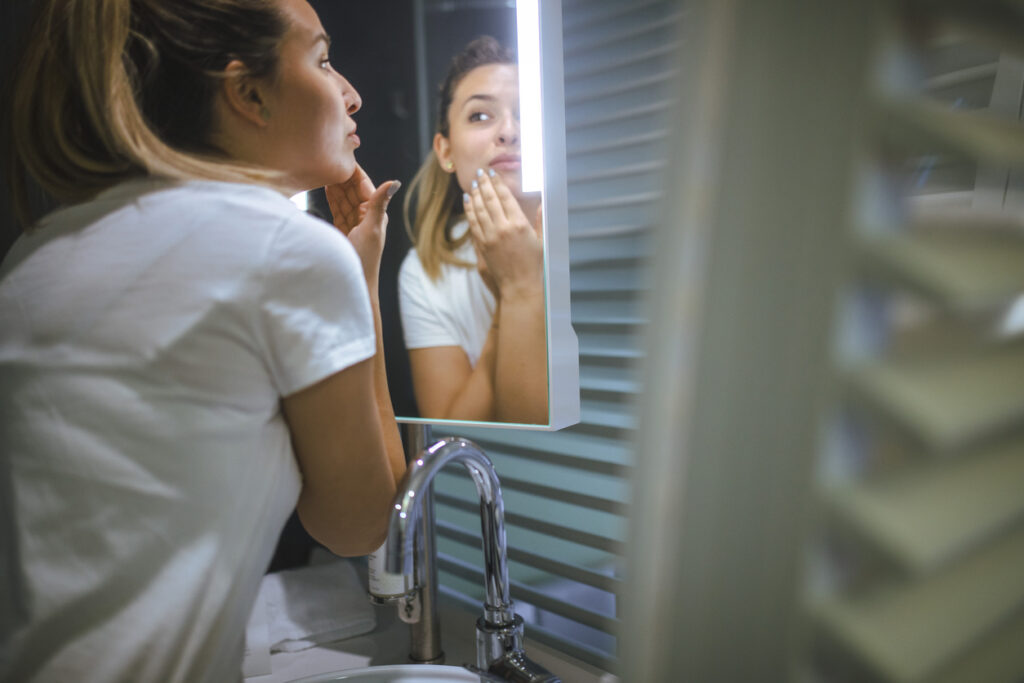
Even if your skin feels oily, moisturizer is essential.
When skin is dehydrated, it often produces more oil to compensate. A lightweight, non-comedogenic moisturizer helps maintain balance and protect the skin barrier. CeraVe PM Facial Moisturizing Lotion
Why it works:
- Oil-free and non-comedogenic
- Contains ceramides + niacinamide
- Hydrates without clogging pores
Step 4: Sunscreen (Non-Negotiable)
Daily sunscreen is one of the most important steps for hormonal acne.
Sun exposure can worsen inflammation and prolong acne marks.
Choose a broad-spectrum SPF that doesn’t clog pores and feels comfortable on your skin. You can get it here: EltaMD UV Clear SPF 46
Why it’s ideal for hormonal acne:
- Designed for acne-prone and sensitive skin
- Contains niacinamide
- Lightweight and non-greasy
Evening Skincare Routine for PCOS Hormonal Acne
Your nighttime routine is about cleansing the day away and supporting skin recovery.
Step 1: Cleanse (Double Cleanse if Needed)
If you wear makeup or sunscreen, start with a gentle first cleanse to remove it.
Follow with a mild cleanser to clean the skin without stripping it.
Step 1: Cleanse (Double Cleanse if Needed)
If you wear makeup or sunscreen, start with a gentle first cleanse to remove it.
Follow with a mild cleanser to clean the skin without stripping it. Just use the same cleanser from the morning: CeraVe Hydrating Facial Cleanser
Step 2: Targeted Treatment (If Tolerated)
This is where treatments like gentle exfoliants or retinoids may fit — but only if your skin can tolerate them.
Start slowly:
- Use actives only a few nights per week
- Avoid layering too many treatments
- Stop if irritation increases
With PCOS acne, more is not better.
If you want a mild acne treatment without harsh retinoids: The Ordinary Azelaic Acid Suspension 10%
Why azelaic acid is PCOS-friendly:
- Reduces acne-causing bacteria
- Calms inflammation
- Helps with redness and post-acne marks
📝 Use at night, 2–3 times per week.
Step 3: Moisturize and Repair
A nourishing moisturizer at night helps support healing and reduce irritation.
This step is especially important if you’re using active treatments: La Roche-Posay Toleriane Double Repair Face Moisturizer
Why it’s effective:
- Restores the skin barrier
- Lightweight but deeply hydrating
- Safe for sensitive, acne-prone skin
Skincare Mistakes That Can Worsen PCOS Acne
These are some mistakes I personally had to stop making:
- Over-exfoliating
- Using alcohol-heavy toners
- Skipping moisturizer
- Constantly switching products
- Expecting overnight results
For example, exfoliating too often can damage your skin barrier and increase inflammation — even if the product is labeled “acne-safe.”
How Long Does It Take to See Results?
This is one of the hardest parts of hormonal acne.
In most cases:
- 2–4 weeks: skin may feel calmer and less irritated
- 6–8 weeks: fewer inflamed breakouts
- 3 months or more: more noticeable improvement
Progress is often gradual. Consistency matters more than intensity.
Can Skincare Alone Fix PCOS Hormonal Acne?
Skincare can help manage symptoms and reduce inflammation, but it doesn’t change hormones themselves.
That’s why a gentle routine works best — it supports your skin while your body does its own healing over time.
If acne is severe or painful, working with a healthcare professional can be helpful.
Final Thoughts
PCOS hormonal acne can feel discouraging, especially when nothing seems to work right away.
What helped me most was shifting my mindset:
- From fighting my skin
- To supporting it
This AM and PM routine isn’t about doing more — it’s about doing less, consistently, and gently.
If you’re feeling frustrated, start small. Even one change can make a difference over time.
📌 Affiliate Disclosure
This post contains affiliate links. As an Amazon Associate, I earn from qualifying purchases.