Best Skincare for Hormonal Acne (PCOS-Friendly Picks)
PCOS hormonal acne skincare has been one of the most frustrating things I’ve ever had to figure out.For years, I tried stronger products, harsher treatments, and every “acne-fix” serum on the shelves… only to end up with more inflammation, more irritation, and breakouts that felt deeper and more stubborn than ever.
Why I’m Sharing This
I’m not a dermatologist or influencer. I’m someone who struggled with PCOS acne for years and had to figure this out through trial, error, and frustration. Everything I share here is based on what I actually use or feel comfortable using with PCOS-prone skin.
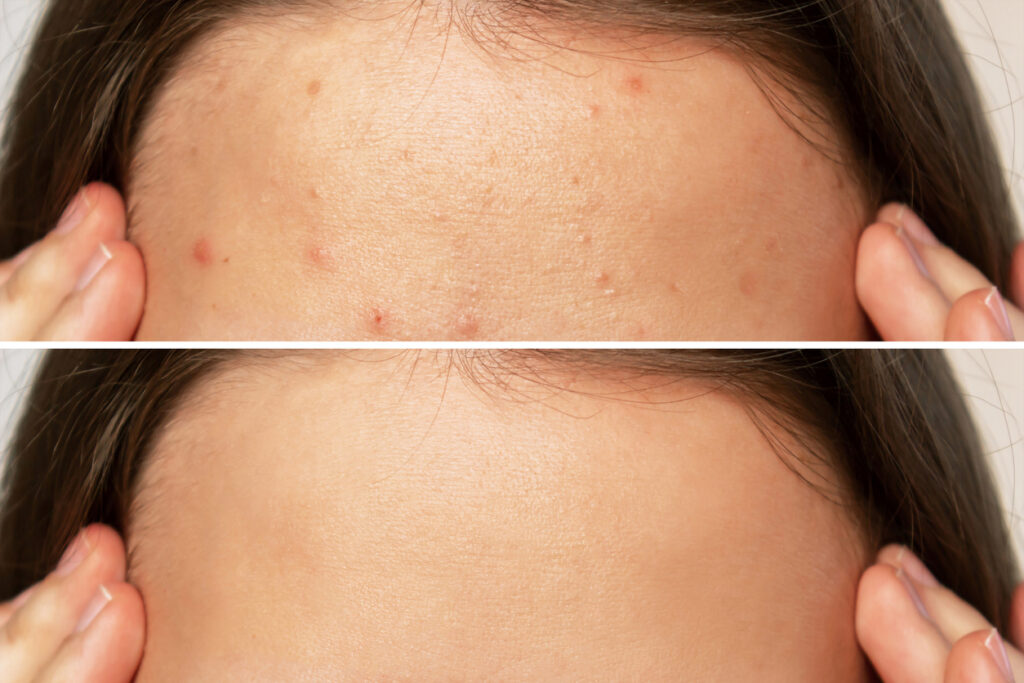
PCOS isn’t just about hormones on paper — it shows up in your skin, your confidence, and how you feel when you look in the mirror. What finally shifted things for me was realizing that hormonal acne needs a different approach than typical breakouts. It’s not about strength however its about balance, patience, and gentle support.

My Personal Experience With PCOS & Hormonal Acne
For a long time, I felt like my skin was constantly working against me.
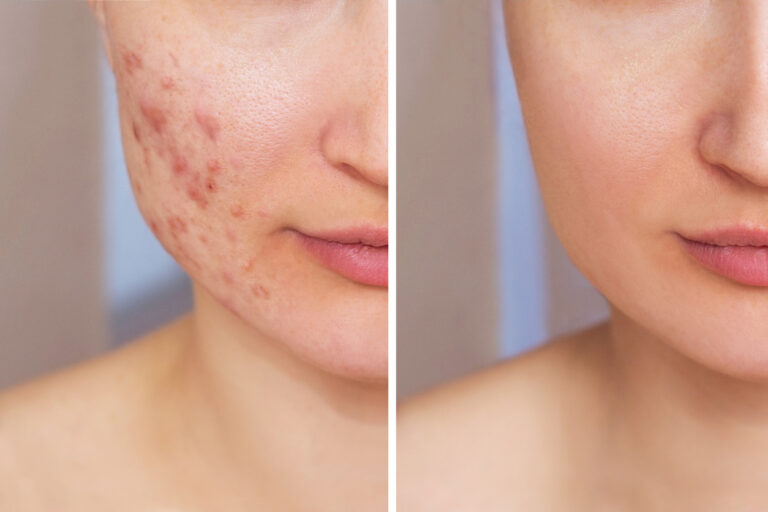
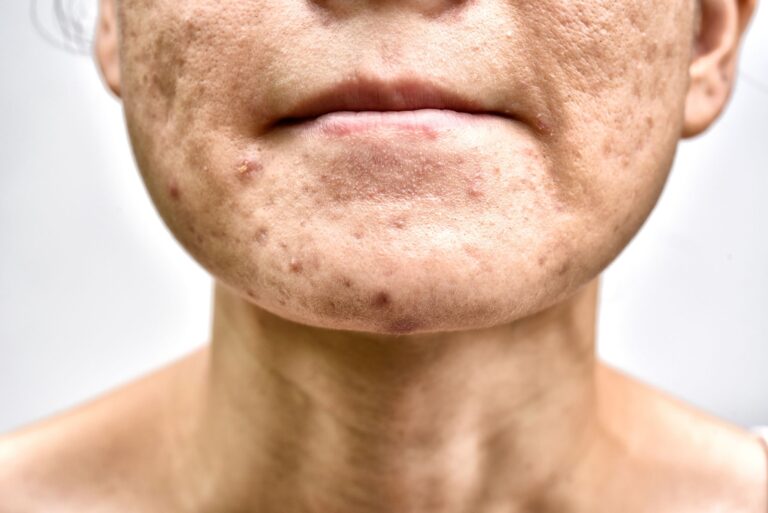
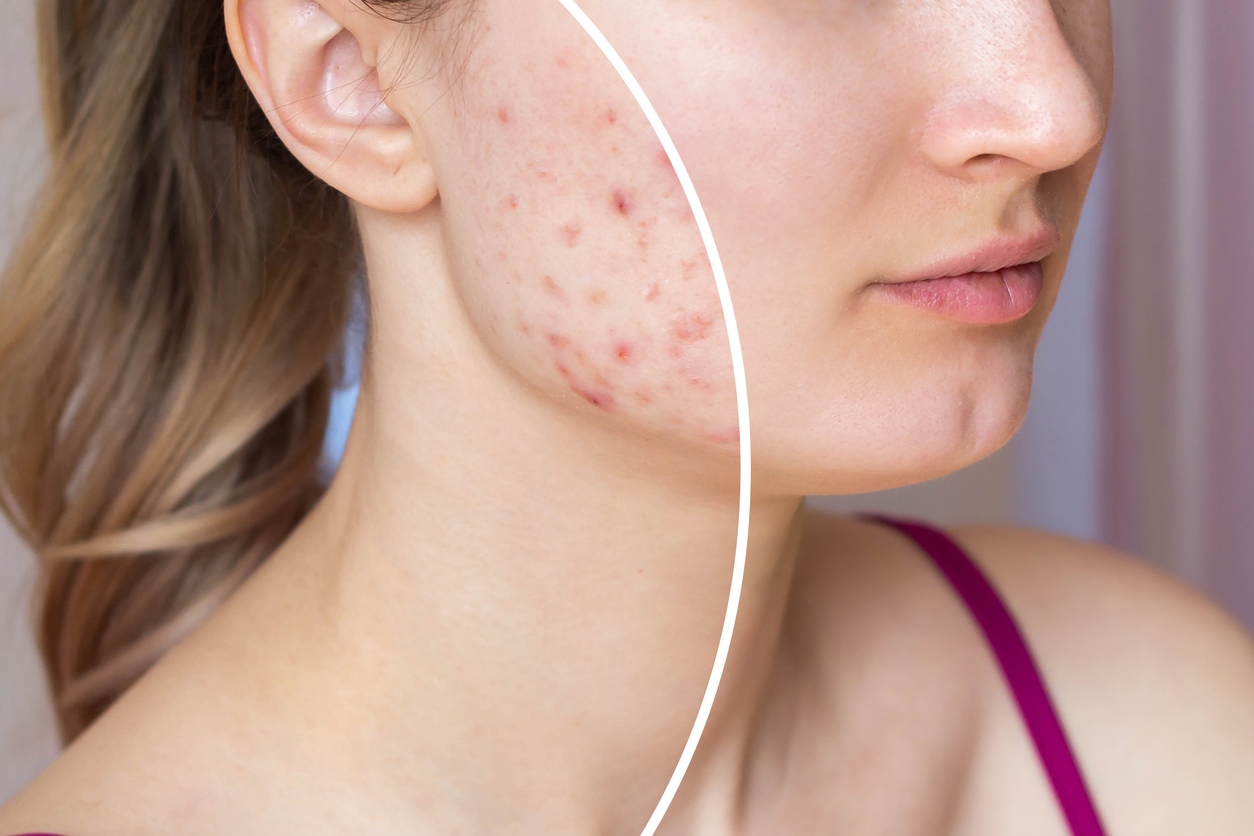
My breakouts weren’t just small pimples — they were deep, painful, and almost always showed up on my chin and jawline. Some weeks my skin would calm down, and I’d feel hopeful… only for the cycle to repeat again. If you have PCOS, you probably know exactly what I mean.
At first, I did what most people do: I tried to dry my acne out. Strong cleansers, acne kits, exfoliating acids — anything that promised fast results. Instead of improving, my skin became more irritated, more sensitive, and somehow more acne-prone.
What I didn’t understand back then was that PCOS acne isn’t just a skincare issue — it’s hormonal and inflammatory. My skin barrier was constantly stressed, and every harsh product made it harder for my skin to heal.
This guide is based on what actually helped me — not overnight fixes, but realistic changes that made my skin feel calmer and more balanced over time.
🤍 Why PCOS Acne Is Different
If you’ve ever wondered why your acne feels different from your friends’ breakouts, here’s the truth
PCOS is a hormone-driven condition. Your body can produce more androgens (a type of hormone), which signals your skin’s oil glands to work overtime — and that excess oil can clog pores and lead to deeper, slower-healing breakouts
Note: Everyone’s skin reacts differently, especially with PCOS. The products and steps shared here are what worked for me after a lot of trial and error. I always recommend introducing new products slowly and listening to how your skin responds.
1. Morning Cleanse — Gentle & Effective
Start your day with a gentle cleanser that removes excess oil and dirt without stripping your skin. Avoid strong scrubs or rough cloths—those can worsen inflammation. La Roche-Posay TolerianeHydrating Gentle Cleanser
The goal here isn’t to dry everything out, it’s to start fresh without irritating your skin.
Why it works
- Non-comedogenic
- Safe for sensitive & acne-prone skin
- Doesn’t disrupt hormones or barrier
2. Optional Serum — Calm & Balance
If your skin tolerates it, a serum with niacinamide or calming botanical extracts can help reduce redness and imbalance oil production gently. I like to use this every other day to see how my skin responds first. The Ordinary Niacinamide 10% + Zinc 1%
This step isn’t mandatory — but it was one of the first things that helped me notice less sensitivity.
💡 Tip: If your skin is very reactive, use every other day
3. Moisturizer — Yes, Even If Your Skin Is Oily
A lightweight, non-comedogenic moisturizer is essential. Skipping moisturizer can actually increase oil production because your skin thinks it’s dehydrated and tries to compensate. CeraVe PM Facial Moisturizing Lotion
Hydration helps calm irritation and supports your skin barrier — which is especially important if you’re using actives like acids or retinoids later.
Why:
- Ceramides repair barrier
- Niacinamide calms inflammation
- Oil-free and acne-safe
4.Sunscreen Every Morning — Non-Negotiable
Sunscreen isn’t just for summer — it protects your skin from inflammation, pigmentation, and UV damage. Even if your acne is healing, UV exposure can worsen marks and prolong healing. EltaMD UV Clear SPF 46
Make sure it’s broad-spectrum SPF 30+ and doesn’t clog pores.
Best for:
- Acne-prone skin
- Rosacea / sensitivity
- Hormonal breakouts
What To Avoid With PCOS Hormonal Acne
When you have hormonal acne, some products that work for other types of breakouts can actually make things worse. Here’s what I learned to skip:
- Harsh physical scrubs or daily strong acids
- Alcohol-heavy products that dry skin excessively
- Fragrance-filled formulas that irritate sensitive areas
- Oils or creams that aren’t labeled non-comedogenic
- Over-exfoliating — less is more here
These can weaken your skin barrier and trigger more inflammation than they solve.
How Long It Takes to See Improvements
This is where patience really matters. Hormonal acne doesn’t respond overnight — it’s about consistent support:
- 2–4 weeks: you may notice less redness and irritation
- 6–8 weeks: fewer cystic breakouts and calmer skin
- 3 months +: more significant changes
For me, the difference wasn’t dramatic at first — but once my skin felt less irritated, the breakouts became less intense and more manageable.
A Note on Retinoids & Stronger Treatments
Retinoids can help hormonal acne by speeding up cell turnover, but hormones are still the main driver for PCOS acne. If you’re thinking about prescription options or stronger actives, I recommend talking with a dermatologist — especially if you’re sensitive or dealing with deep cystic acne.
⚠️ Avoid retinoids if pregnant or trying to conceive.
Final Thoughts (Real Talk)
Hormonal acne isn’t about using the strongest products on the shelf. It’s about listening to your skin, choosing supportive formulas, and being consistent.
I know how exhausting that cycle of hope and disappointment can feel — but small adjustments over time made a world of difference for me.
If you stick with a gentle, barrier-focused routine, your skin will respond — you just have to give it the chance to calm down first.
Affiliate Disclosure
This article contains affiliate links. If you purchase through these links, I may earn a small commission at no extra cost to you.
⚠️ This article is for educational purposes only and does not replace medical advice.