

How to Get Pregnant With PCOS Naturally
Getting pregnant with PCOS can feel frustrating and unpredictable. Many women with polycystic ovary syndrome struggle with irregular periods, delayed ovulation, and hormone imbalances that make trying to conceive more complicated than expected.
The good news is that getting pregnant with PCOS naturally is possible. When you understand how PCOS affects ovulation and focus on supporting hormone balance, fertility can improve over time.
This guide explains how to get pregnant with PCOS, what actually helps ovulation, and which lifestyle changes support fertility in a realistic, sustainable way.
Why PCOS Makes Getting Pregnant Harder (But Not Impossible)
PCOS affects fertility mainly because of hormonal imbalances, not because pregnancy is impossible.
Common PCOS-related challenges:
- Irregular or absent ovulation
- High insulin levels (insulin resistance)
- Elevated androgens (testosterone)
- Inflammation and cortisol imbalance
- Irregular periods or long cycles
👉 The key is this: PCOS fertility improves when hormones are supported consistently, not rushed.
Step 1: Focus on Ovulation, Not Just Periods
Having a period doesn’t always mean you’re ovulating.
With PCOS, ovulation can be:
- Delayed
- Inconsistent
- Completely absent some cycles
What helps:
- Tracking ovulation (not just cycle length)
- Supporting insulin balance
- Reducing inflammation
- Nourishing the body instead of restricting it
✨ Fertility is about egg quality + hormone timing, not perfection.

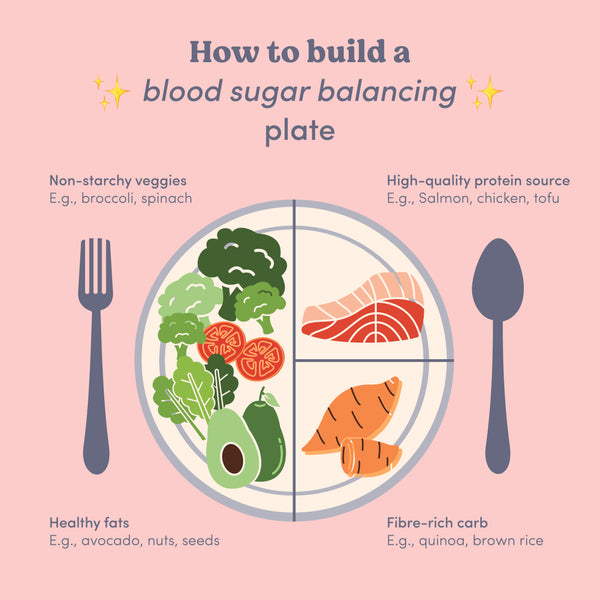

Step 2: Balance Blood Sugar (This Is Huge for PCOS Fertility)
Insulin resistance is one of the biggest blockers to ovulation in PCOS—even in women who are lean.
Supplements that support insulin balance with PCOS:
- Myo-inositol and D-chiro-inositol (40:1 ratio) supports insulin sensitivity and ovulation
inositol supplement for PCOS fertility - Berberine — may help improve insulin response and metabolic balance
berberine for blood sugar support - Fiber supplements — help slow glucose absorption and reduce spikes
fiber supplement for blood sugar balance
Why this matters: Stable blood sugar sends stronger, clearer signals to your brain, helping support ovulation and improving fertility outcomes with PCOS.
Helpful shifts:
- Eat protein + fiber + healthy fats at every meal
- Avoid skipping meals
- Reduce blood sugar spikes (especially in the morning)
- Choose low-glycemic carbs instead of cutting carbs entirely
Examples:
- Eggs + avocado + berries
- Protein smoothies with fiber
- Balanced meals instead of “diet foods”
Stable blood sugar = better ovulation signals to your brain.
Step 3: Support Hormones Gently (Not Aggressively)
PCOS bodies respond better to gentle consistency than extremes.
Helpful lifestyle changes:
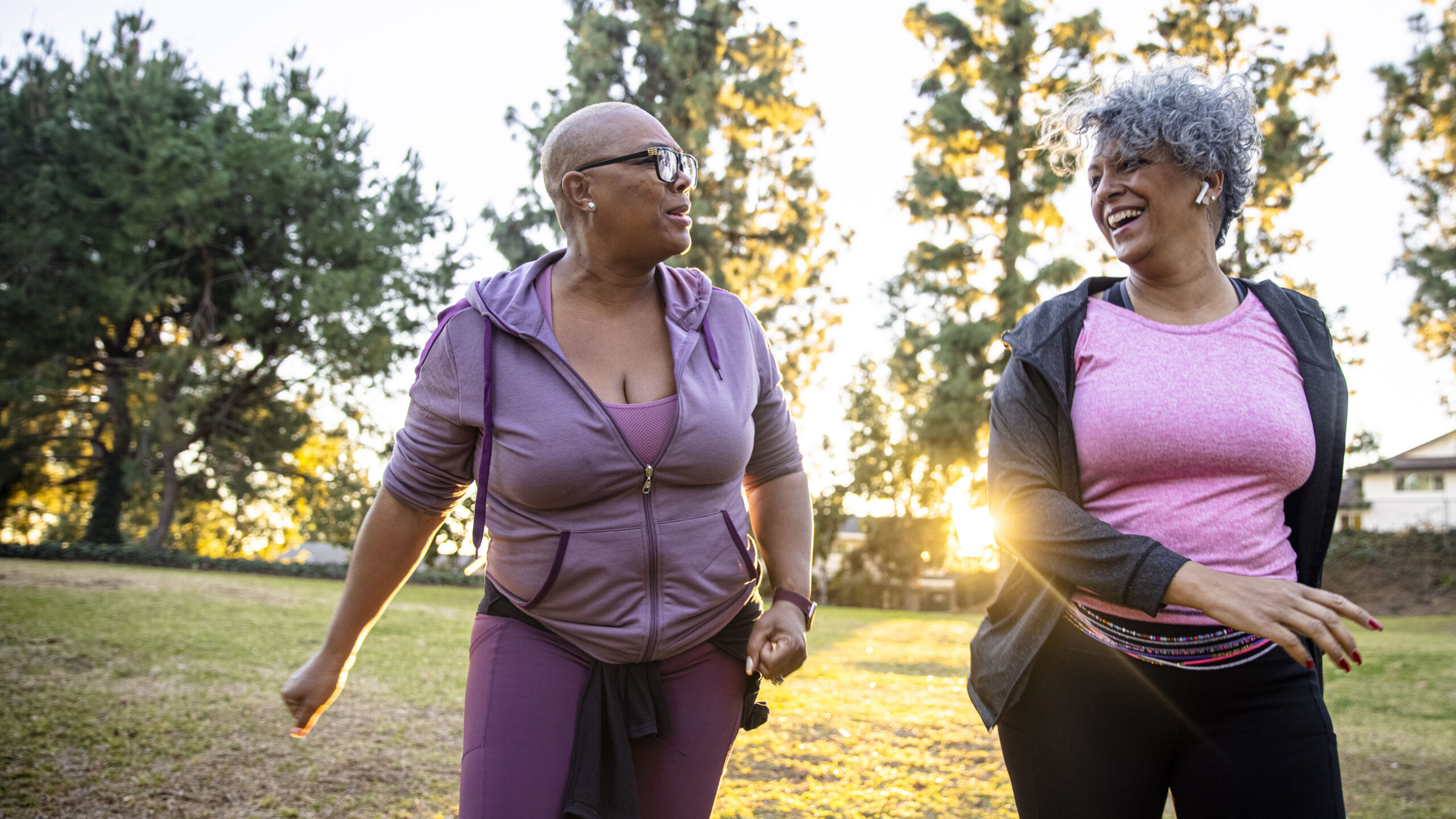
- Walking instead of intense daily HIIT
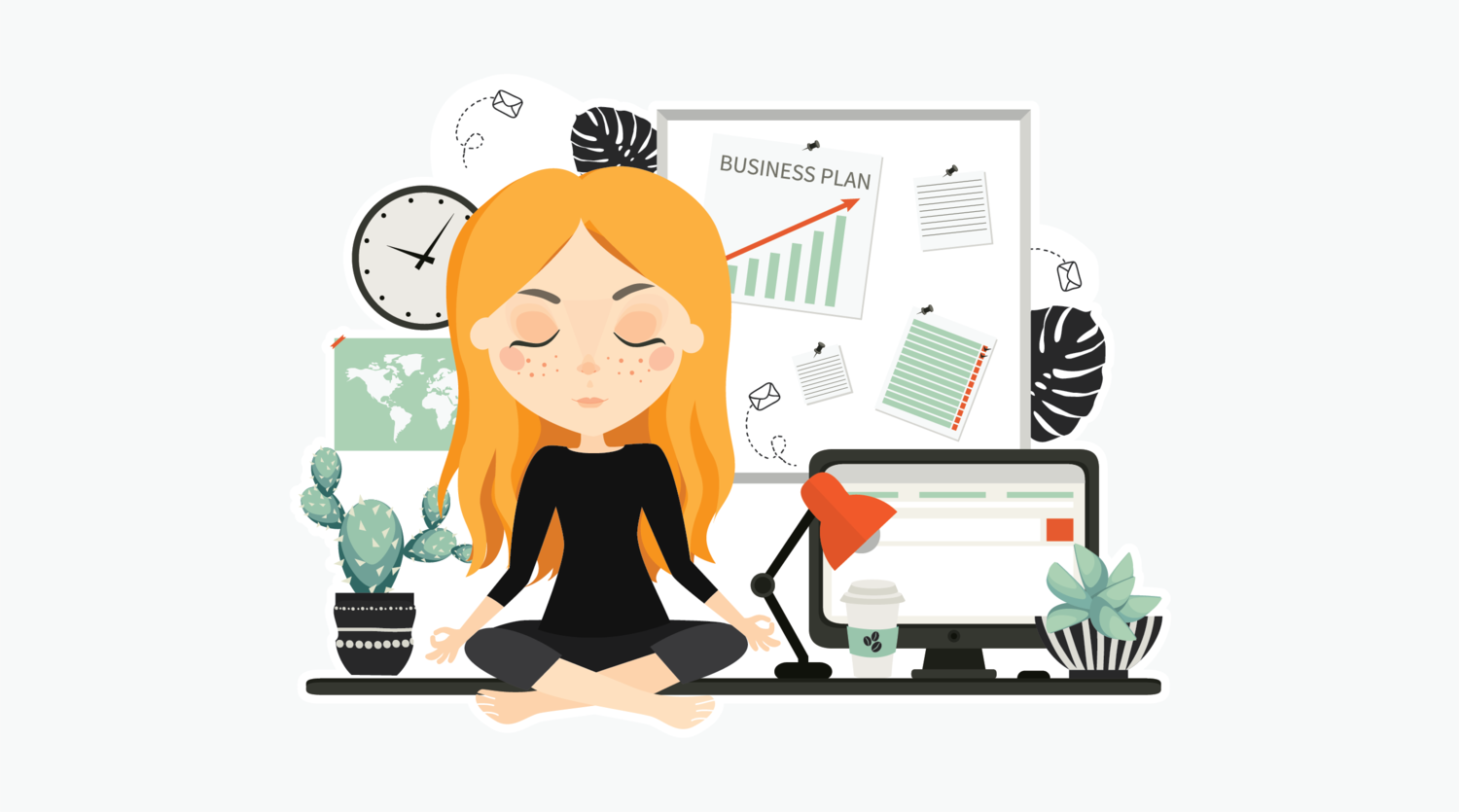
- Prioritizing sleep
- Reducing chronic stress (cortisol affects ovulation)
- Limiting endocrine disruptors in skincare & household products
Small changes done consistently often outperform “perfect” routines done briefly.

Step 4: Track Your Cycle the Right Way
Instead of obsessing over dates, focus on patterns.
Tools that can help:
- Basal body temperature
- Cervical mucus awareness
- Ovulation predictor kits (with PCOS-specific expectations)
- Journaling symptoms (energy, discharge, cravings)
✨ Even irregular cycles give clues.
Step 5: Be Patient With Your Body (This Is the Hardest Part)
PCOS fertility journeys are rarely linear.
Some cycles ovulate.
Some don’t.
Some feel hopeful.
Some feel heartbreaking.
None of this means your body is broken.
It means your body needs:
- Time
- Safety
- Consistent nourishment
- Less pressure


Can You Get Pregnant With PCOS?
Yes. Many women with PCOS do—naturally or with support.
The shift that matters most:
Stop fighting your body and start supporting it.
When hormones begin to balance, ovulation becomes more consistent—and fertility follows.
Final Thoughts
If you’re trying to conceive with PCOS, you are not behind.
You are not failing.
And you are not alone.
This journey requires patience, compassion, and trust—especially when progress feels slow.
Your body is listening. 💛