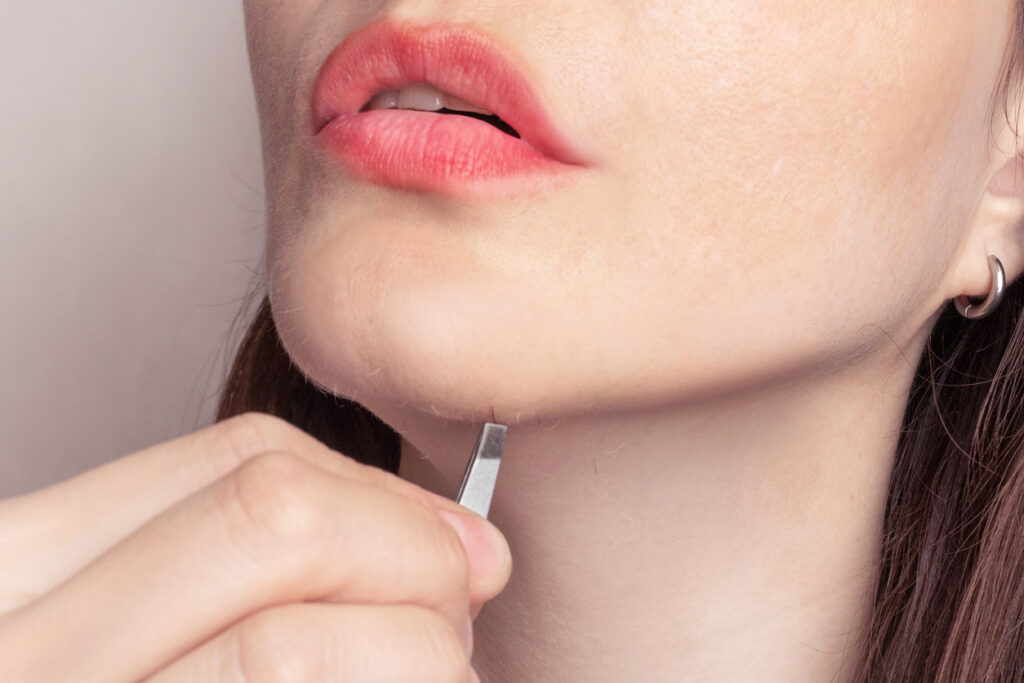
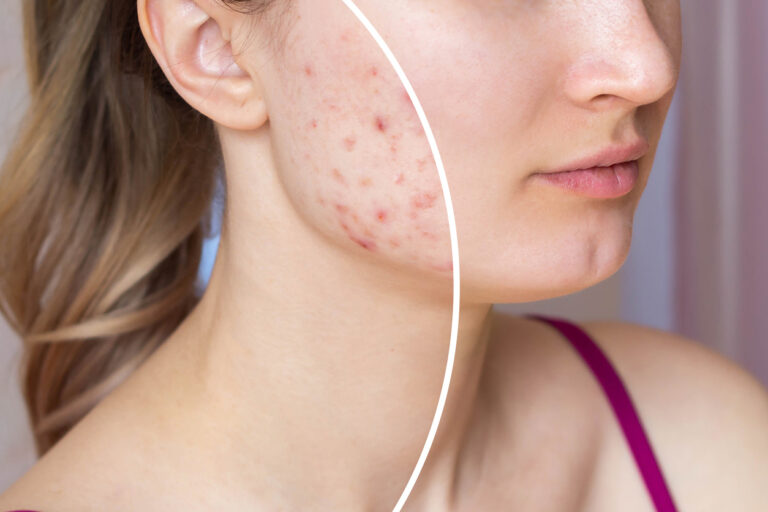
Chin hair was one of the first PCOS symptoms that made me feel completely defeated.
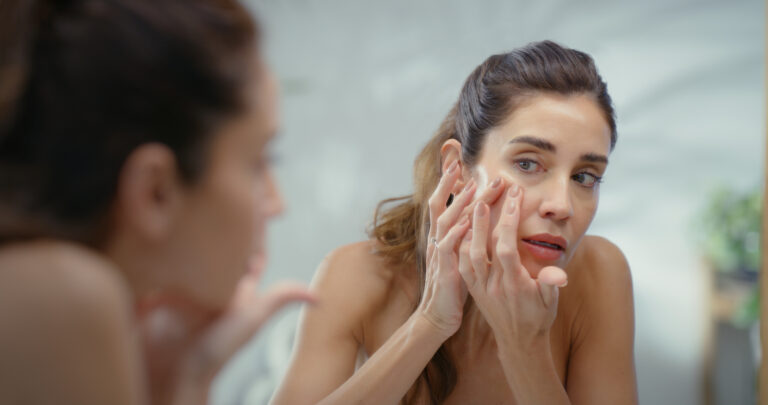
It started as a few coarse hairs that I could pluck — and then suddenly I was checking my chin every morning, worried about what I’d see.
If you’re dealing with PCOS chin hair, please know this first: it’s not because you’re doing something wrong, and it’s not a hygiene issue. It’s hormonal.
I spent years trying to “fix” it with quick solutions, waxing, and products that promised results but never addressed the real cause. Once I understood why PCOS chin hair happens, I was finally able to make changes that actually helped reduce it over time.
Chin hair is called Hirsutism
This post may contain affiliate links. If you purchase through these links, I may earn a small commission at no extra cost to you.
Why PCOS Causes Chin Hair
PCOS chin hair is caused by hormones — not bad skincare, not genetics alone, and definitely not something you caused.
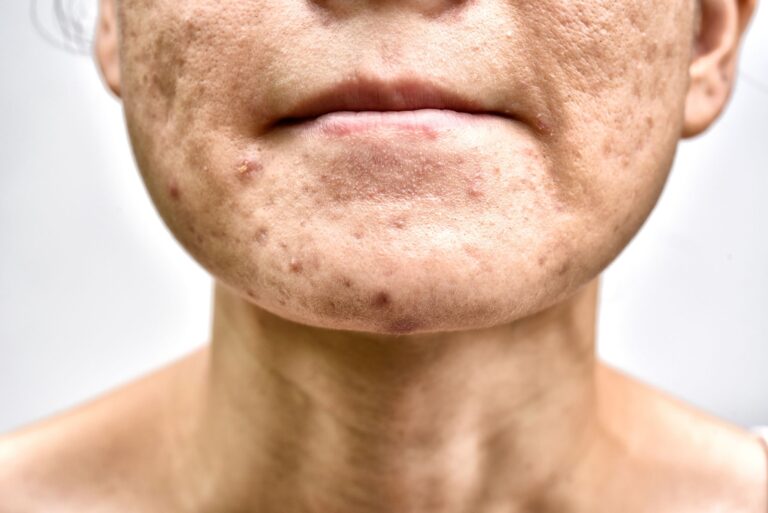
With PCOS, the body often produces higher levels of androgens (sometimes called “male hormones”), like testosterone. When these hormones are elevated, they can trigger coarse, dark hair growth in areas like the chin, jawline, upper lip, and neck.
What makes chin hair especially frustrating is that it tends to grow back faster and thicker than other facial hair. Shaving, waxing, or plucking removes the hair temporarily, but it doesn’t address what’s happening internally — which is why the hair keeps returning.
Once I stopped treating chin hair as a surface-level issue and started focusing on hormone balance and gentle hair management, things finally began to improve.
What I Stopped Doing (Because It Was Making Things Worse)
Before I found what actually helped with PCOS chin hair, I made a lot of mistakes — mostly out of frustration and desperation. I thought I just needed a stronger solution, when in reality I needed a gentler, more consistent approach.
Here’s what I stopped doing:
Over-plucking and obsessively checking my chin This only irritated my skin and made the hair feel more noticeable when it grew back.
Using harsh hair removal creams on my face These caused redness and sensitivity without slowing hair growth at all.
Switching methods constantly Waxing one week, shaving the next, then tweezing again — my skin never had a chance to calm down.
Expecting instant results PCOS-related hair growth doesn’t disappear overnight. Once I accepted that, everything felt less overwhelming.
How I Manage PCOS Chin Hair Now (Step by Step)
I want to be very honest here — PCOS chin hair didn’t disappear overnight. But once I stopped fighting it and started managing it consistently, it became much less noticeable and far easier to deal with emotionally.
Here’s what my current approach looks like:
1. I chose one gentle removal method and stuck with it I stopped switching between waxing, shaving, and tweezing. Consistency helped reduce irritation and ingrown hairs.
2. I focused on calming the skin after hair removal Instead of attacking my skin, I prioritized soothing products to reduce redness and inflammation.
3. I supported hormone balance from the inside This was a big turning point. When my hormones felt more regulated, the hair growth slowed over time.
4. I stopped obsessively checking This was more mental than physical, but it made a huge difference in how I felt day to day.
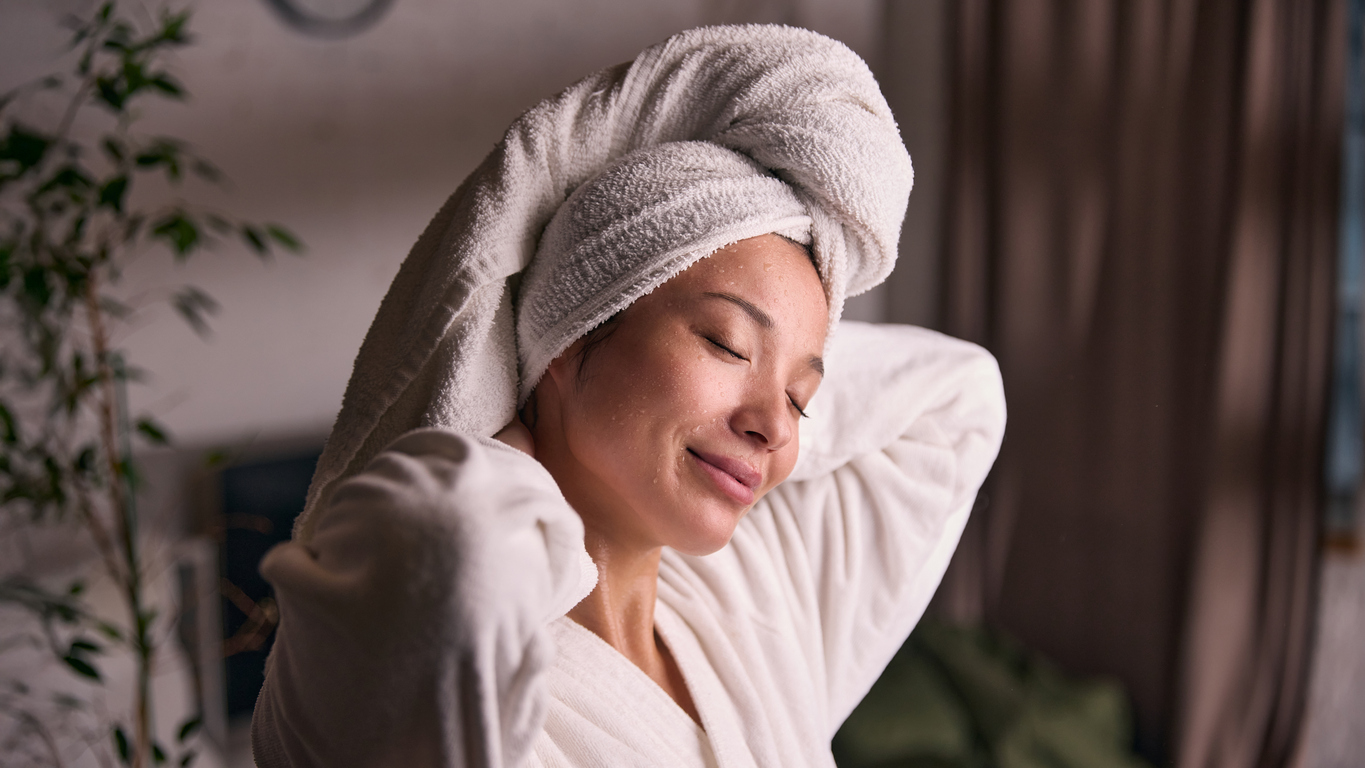
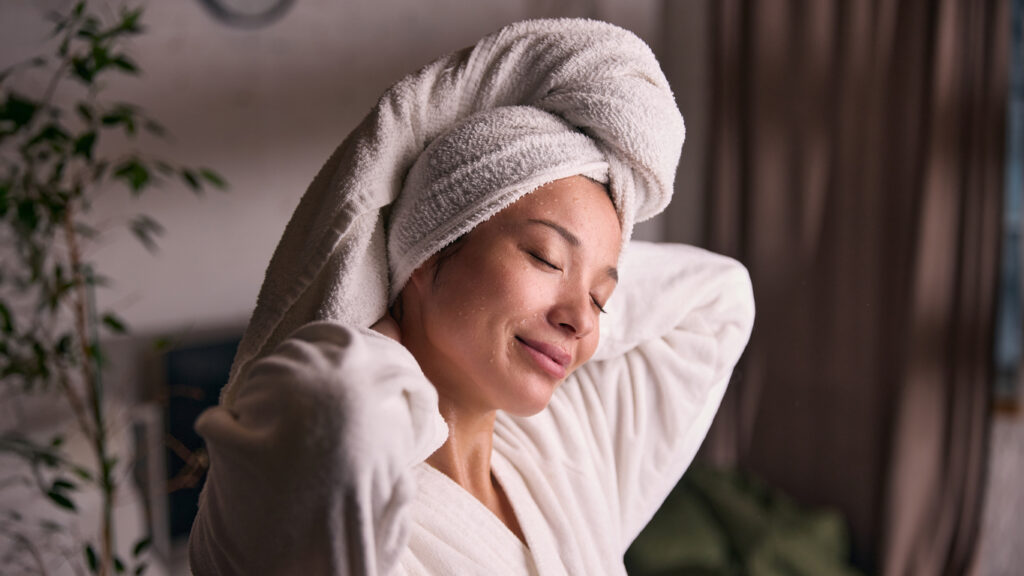
A serene woman with a towel wrapped around her head relaxes in a softly lit indoor spa environment.
The Products & Tools That Helped Me Manage PCOS Chin Hair
These are the tools and habits that actually helped me manage PCOS chin hair over time — not overnight fixes, but sustainable support.
I’m sharing these because they’re what I personally stuck with long-term. I avoided anything harsh or extreme, and focused on tools and products that felt manageable and safe for regular use.
I switched to a gentle facial hair removal tool instead of constantly plucking. This helped reduce irritation and made hair removal feel less stressful. I use it carefully and only when needed, not daily.
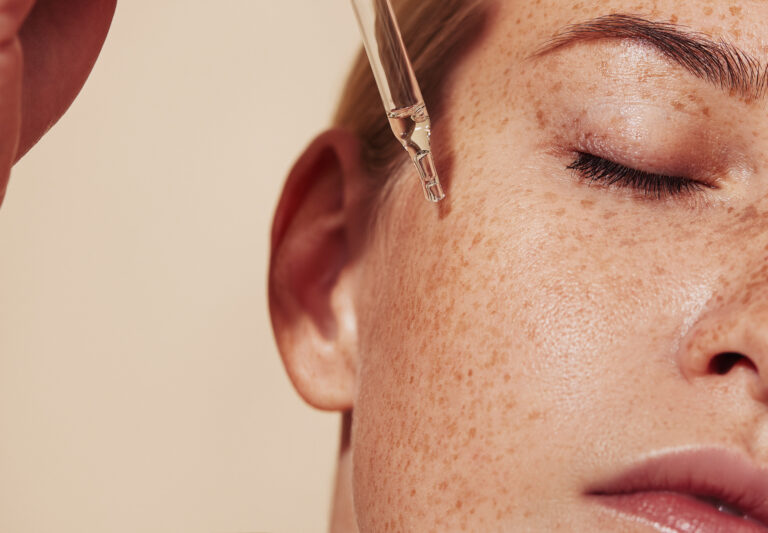
After removing hair, calming my skin became non-negotiable. Using a soothing serum or lightweight moisturizer helped reduce redness and prevented those irritated bumps that used to show up afterward.
Drinking spearmint tea consistently was one of the simplest habits I added. Over time, this helped support hormone balance, which made the hair growth feel slower and less aggressive.
Inositol was something I added slowly and intentionally. Supporting insulin sensitivity helped my overall PCOS symptoms, including hair growth, feel more manageable over time
Always consult your healthcare provider before starting supplements.
What Actually Helped Reduce Chin Hair Over Time
I want to be very clear here — PCOS chin hair didn’t disappear completely. But over time, it became thinner, slower-growing, and far less noticeable.
What made the biggest difference wasn’t one single product, but consistency. Once I stopped constantly switching methods and focused on gentle hair removal, calming my skin, and supporting hormones internally, the regrowth changed.
The timeline mattered too. For me, this wasn’t a one-week fix. It took a few months of sticking with the same routine before I noticed the hair growing back more slowly and less coarse.
Letting go of the expectation of “perfect” helped more than I expected. My goal became management and confidence — not eliminating every single hair.
Final Thoughts for Anyone Struggling With PCOS Chin Hair
If you’re dealing with PCOS chin hair, I want you to know this — you’re not alone, and you’re not failing at managing it.
For a long time, I felt embarrassed and frustrated, constantly looking for a quick fix. What helped most was shifting my mindset from trying to “get rid of it” to learning how to manage it gently and consistently.
Once I focused on hormone support, calming my skin, and using tools I could actually stick with, everything felt more manageable — both physically and emotionally.
If you’re curious about the products and habits I mentioned above, I’ve linked everything I personally use so you can explore them at your own pace.
This post shares the PCOS fertility supplements and tools I personally used to support ovulation naturally while trying to conceive. When I started trying to conceive with PCOS, I felt overwhelmed and honestly a little defeated.My cycles were unpredictable, my hormones felt all over the place, and every search led to extreme advice or miracle…
For a long time, I thought acne was just acne. I followed the usual advice — drying cleansers, exfoliating acids, and products labeled “for acne-prone skin.” Instead of improving, my breakouts became deeper, more painful, and harder to calm. Most of them showed up in the same places: my chin and jawline. What I didn’t…
Hormonal acne can feel especially frustrating—especially when it’s linked to PCOS. Unlike typical acne, PCOS-related breakouts tend to be deep, stubborn, and recurring, often appearing along the chin, jawline, and lower face month after month. If you’ve tried countless products with little success, you’re not alone. Hormonal acne isn’t just a skincare issue—it’s a hormone…
If you’ve ever wondered why your acne doesn’t respond the way other people’s does, you’re not imagining it. PCOS acne is different. For years, I followed traditional acne advice — stronger cleansers, exfoliating acids, spot treatments, constant product switching. Instead of improving, my skin became more inflamed, more sensitive, and harder to calm. What I…
Hormonal acne and PCOS-related breakouts require a different approach than traditional acne treatments. This science-backed guide explains which skincare ingredients actually help hormonal acne — and which ones can make it worse. Hormonal acne, especially with PCOS, behaves differently than typical acne. Instead of reacting to surface-level treatments, it’s influenced by hormones, inflammation, and ingredient…
PCOS hormonal acne skincare has been one of the most frustrating things I’ve ever had to figure out.For years, I tried stronger products, harsher treatments, and every “acne-fix” serum on the shelves… only to end up with more inflammation, more irritation, and breakouts that felt deeper and more stubborn than ever. Why I’m Sharing ThisI’m…