Why PCOS Acne Is Different
For a long time, I thought acne was just acne.
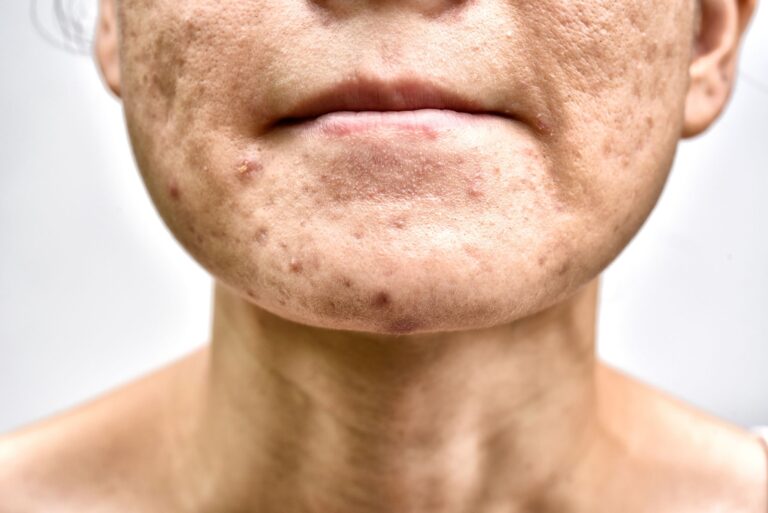
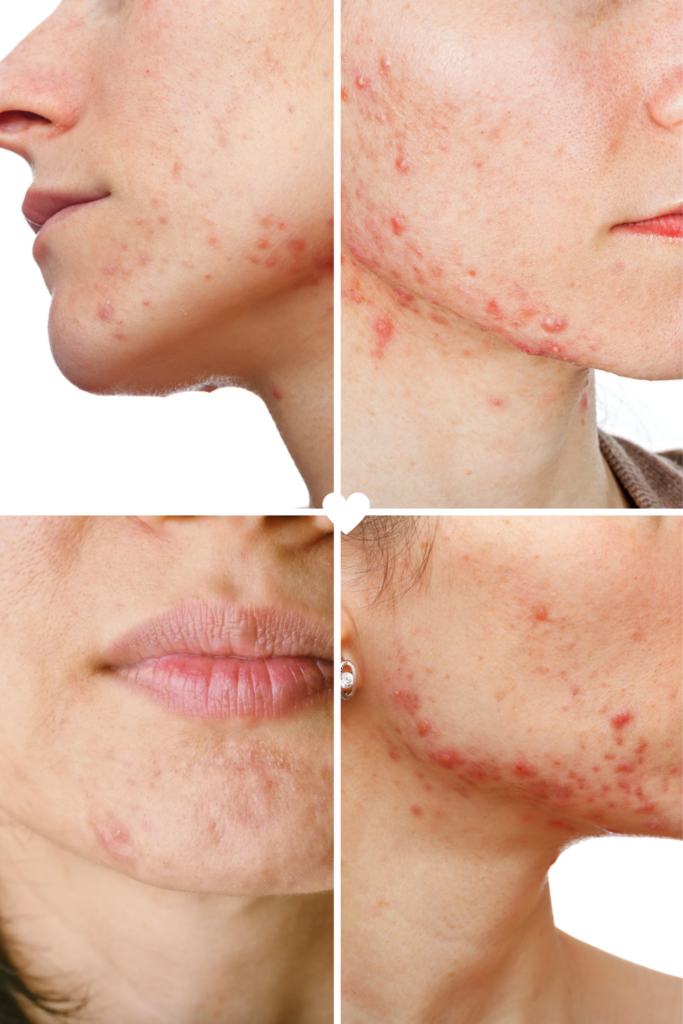
I followed the usual advice — drying cleansers, exfoliating acids, and products labeled “for acne-prone skin.” Instead of improving, my breakouts became deeper, more painful, and harder to calm. Most of them showed up in the same places: my chin and jawline.
What I didn’t understand back then was that PCOS acne is different.
And once I understood why, my approach to skincare changed completely.
PCOS Acne Isn’t Just a Surface Skin Problem
Most acne advice focuses on clogged pores and bacteria.
PCOS acne involves more than that.
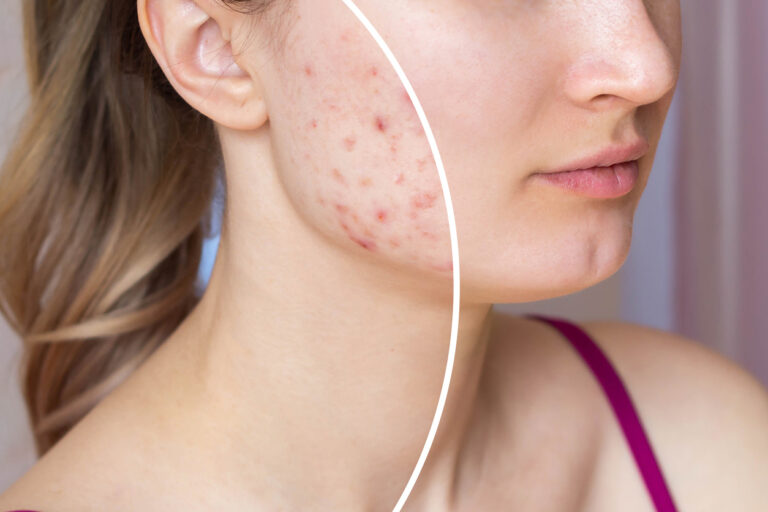
With PCOS, hormones like insulin and androgens can influence oil production and inflammation. That’s why breakouts often feel:
- Deeper under the skin
- More inflamed
- Slower to heal
- Recurring in the same areas
This also explains why harsh, drying products often make PCOS acne worse instead of better.
Why Chin and Jawline Acne Is So Common With PCOS
One of the most frustrating parts of PCOS acne is how predictable it is.
For me, breakouts showed up almost exclusively around my chin and jawline. This area is particularly sensitive to hormonal changes, which can cause oil glands to overreact and trigger inflammation.
No matter how many spot treatments I used, those areas stayed irritated — until I changed my approach.
Why Harsh Acne Products Made My PCOS Acne Wors
When acne doesn’t improve, it’s tempting to use stronger products.
I did exactly that — exfoliating more often, switching cleansers, and trying anything labeled “acne-fighting.” Instead of helping, this damaged my skin barrier and kept my skin in a constant cycle of irritation.
Once I stopped using harsh products and switched to gentler, barrier-supporting options, my skin finally started to calm down.
Gentle cleansers I tolerated better:
These cleansers removed dirt and oil without leaving my skin tight or reactive, which made a noticeable difference over time.
The Role of Inflammation in PCOS Acne
Inflammation plays a huge role in PCOS acne.
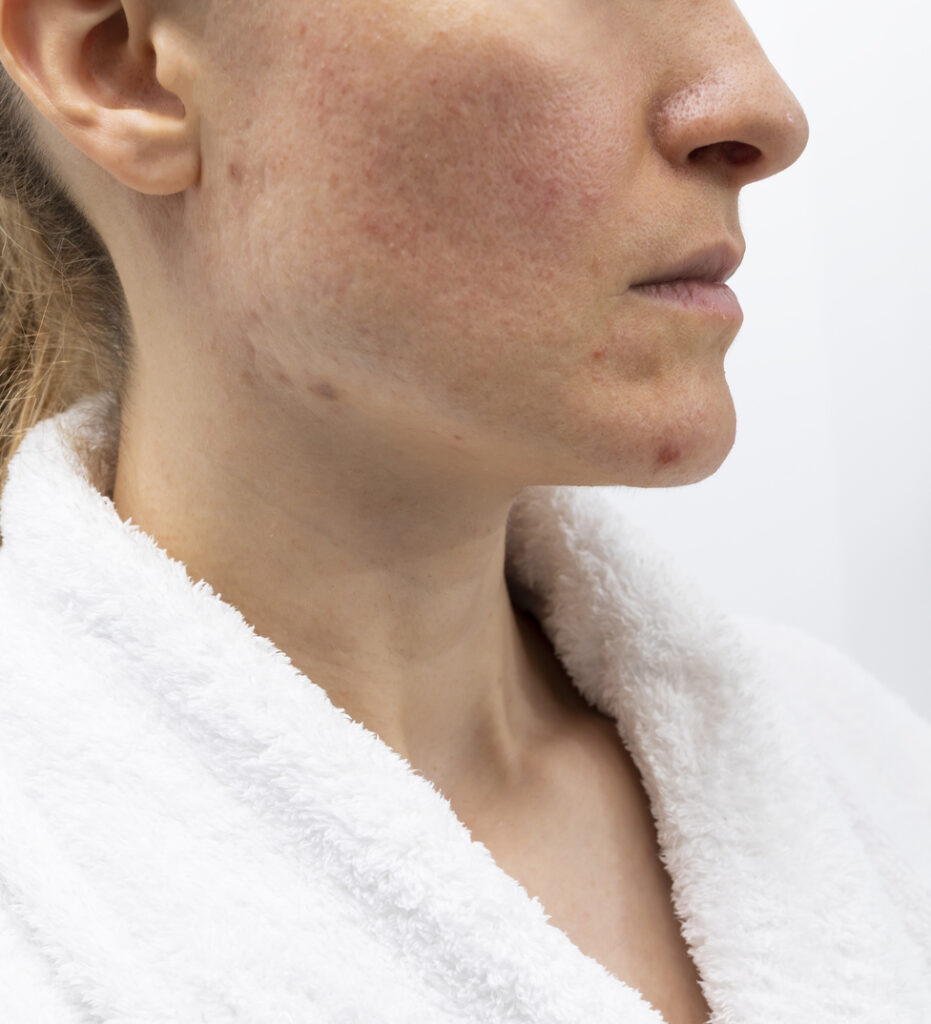
Even when pores aren’t heavily clogged, ongoing inflammation can cause redness, sensitivity, and painful breakouts. That’s why focusing only on killing bacteria didn’t work for me.
Instead, I shifted my goal from “getting rid of acne” to calming my skin.
Barrier-supporting moisturizers I relied on:
Moisturizing consistently helped reduce irritation and made my skin feel more stable instead of reactive.
Why PCOS Acne Takes Longer to Improve
One of the hardest parts of PCOS acne is patience.
Because hormones are involved, changes don’t happen overnight. For me, improvement came in stages:
- First, less irritation
- Then, fewer painful breakouts
- Eventually, clearer and more predictable skin
This slower progress doesn’t mean nothing is working — it means the body is adjusting.
Why Skincare Alone Wasn’t Enough for Me
Skincare helped, but it wasn’t the only factor.
PCOS acne is influenced by hormones, inflammation, ingredient exposure, and overall stress on the body. Once I paired gentle skincare with cleaner ingredient choices and more hormone-supportive habits, my skin responded much better.
Daily sunscreen also became non-negotiable, especially to prevent lingering marks:
This one worked well for me because it didn’t clog pores or trigger breakouts.
What Helped Me Finally Understand My PCOS Acne
Understanding that my acne was different helped me stop blaming my skin.
Instead of constantly switching products, I focused on:
- Gentle, consistent routines
- Shorter ingredient lists
- Supporting my skin barrier
- Being patient with progress
That mindset shift alone reduced a lot of stress — and my skin reflected that.
Final Thoughts
PCOS acne isn’t stubborn because you’re doing something wrong.
It’s different because the root causes are different.
Once I stopped treating my skin like it needed to be controlled and started supporting it instead, my acne became calmer, less painful, and easier to manage.
If typical acne advice hasn’t worked for you, this may be why.
Some links in this post may be affiliate links, which means I may earn a small commission at no extra cost to you. I only share products I personally use or genuinely believe are suitable for PCOS-prone skin.